Benefits of Implementing a Maintenance Management System
Implementing a maintenance management system can transform how organizations handle maintenance tasks. It streamlines operations, making them more efficient and cost-effective.
Facility managers and business owners can benefit greatly from these systems. They provide a centralized platform for tracking maintenance activities.
This leads to reduced downtime and extended asset lifespan. Maintenance tracking software ensures preventive maintenance is scheduled, minimizing unexpected breakdowns.
Computerized maintenance management systems (CMMS) automate work orders, enhancing productivity. They also offer detailed analytics for informed decision-making.
In this article, we explore the benefits of adopting a maintenance management system. Discover how it can optimize your maintenance processes.
What Is a Maintenance Management System?
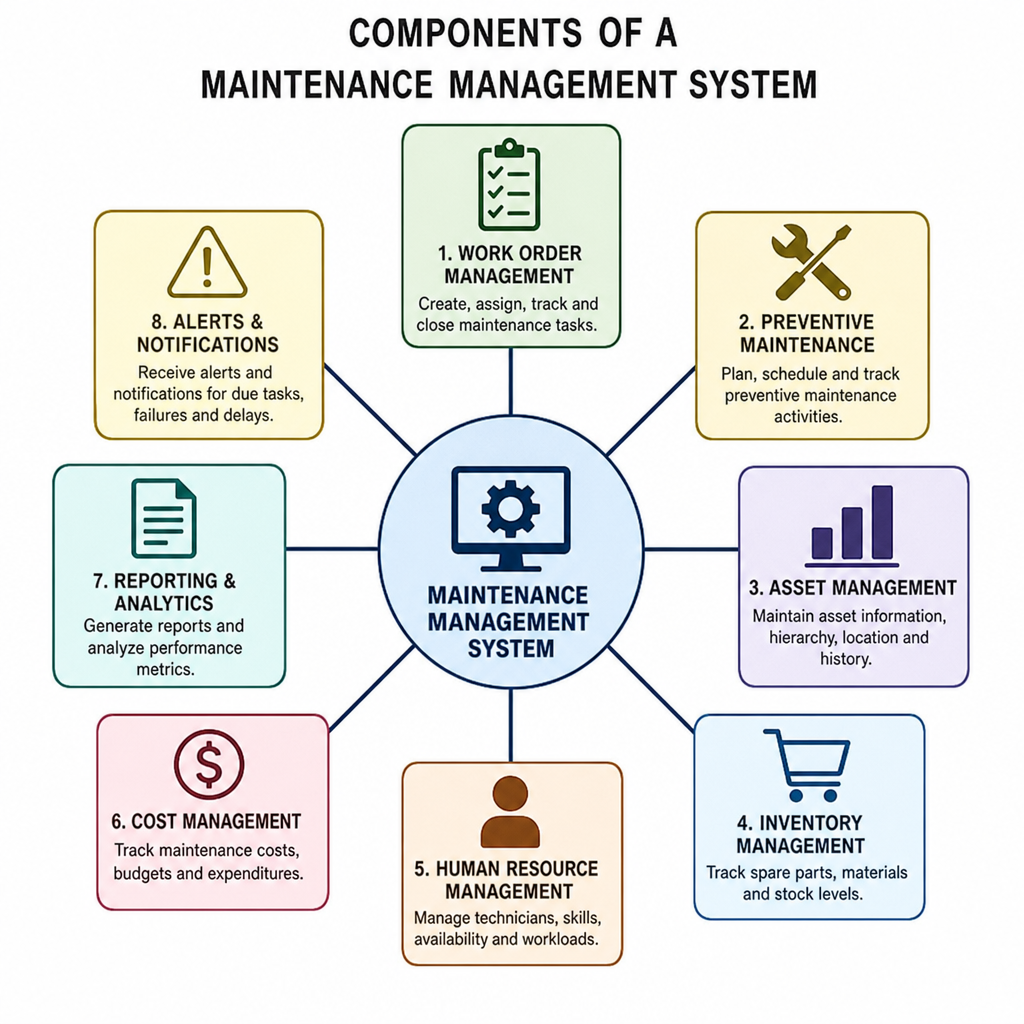
A maintenance management system (CMMS Software) is an integrated set of tools and processes designed to manage maintenance activities. It provides organizations with a structured approach to maintain their assets effectively.
At its core, a maintenance management system tracks maintenance tasks and schedules. It includes preventive maintenance, work orders, and inventory management. These systems ensure that maintenance activities are performed on time and within budget.
Key features often found in maintenance management systems include:
- Preventive maintenance scheduling
- Asset tracking and management
- Work order tracking
- Real-time data reporting
By integrating these features, a maintenance management system helps reduce downtime, lower costs, and extend asset lifespan. This results in improved operational efficiency and asset performance.
Key Features of Maintenance Management Systems
Maintenance management systems are equipped with robust features to optimize maintenance processes. They provide tools to streamline tasks and ensure efficient operations. By leveraging these features, organizations can significantly improve their maintenance outcomes.
Some notable features included in maintenance management systems are:
- Automated work order management
- Comprehensive asset management
- Inventory tracking and management
- Detailed reporting and analytics
- Integration with other business systems
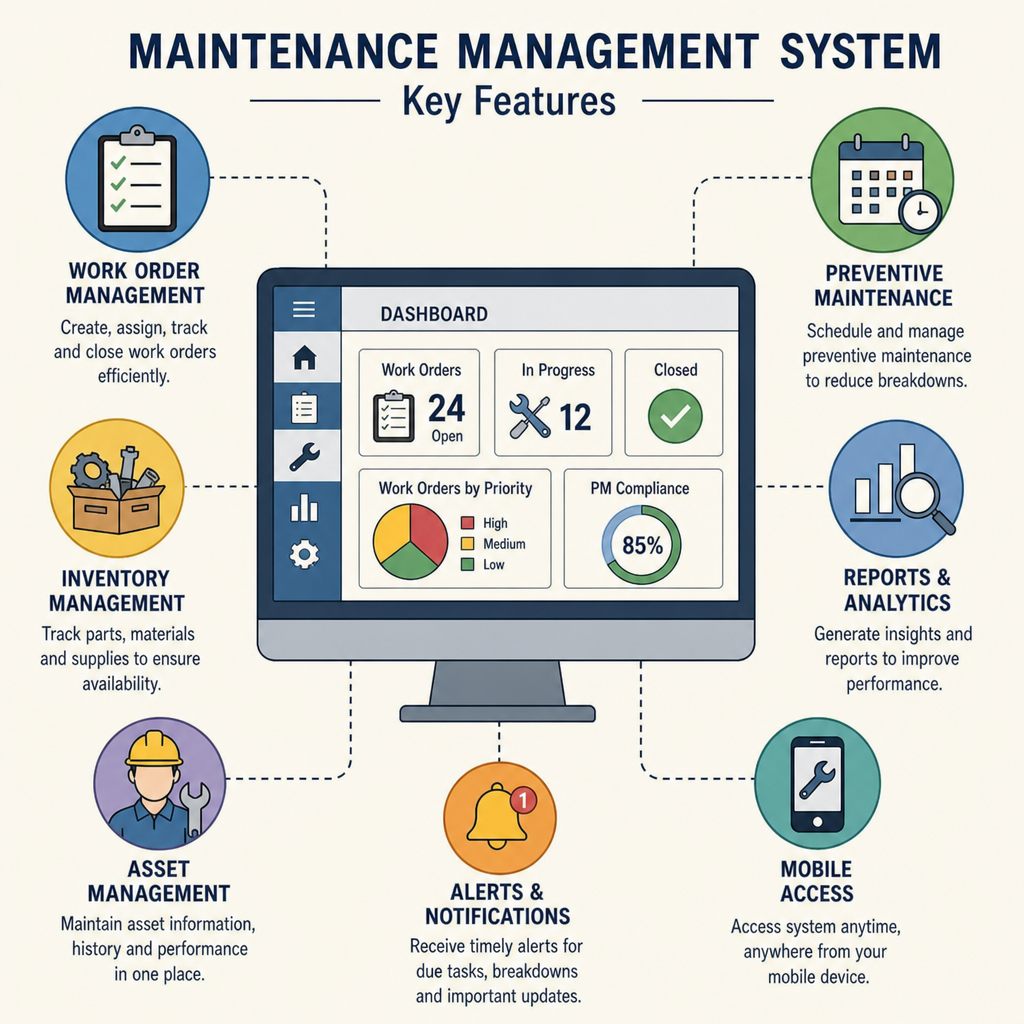
These systems provide mobile access for field technicians, allowing them to update and view real-time data while on the move.
This mobility ensures that maintenance teams remain connected, no matter their location. Additionally, the integration capability allows seamless cooperation with existing enterprise systems, enhancing overall operational harmony. Maintenance management systems adapt to various industries, providing customizable options to meet specific needs. This flexibility supports continuous improvement and future growth.
How Maintenance Management Systems Work
Maintenance management systems operate by providing a centralized platform for all maintenance activities. They function by organizing, scheduling, and tracking various tasks within a facility. This system ensures that maintenance operations run smoothly and efficiently.
The process begins with data collection and entry. Information about assets, inventory, and work orders is stored in the system. Once data is entered, the system can:
- Schedule preventive maintenance
- Generate and track work orders
- Monitor asset performance
- Produce comprehensive reports
by Hanna Morris (https://unsplash.com/@hcmorr)
These systems also enable real-time communication within the maintenance team. With mobile accessibility, technicians can easily update task statuses. Thus, everyone involved in the maintenance process stays informed, leading to better collaboration and quicker issue resolution. This streamlined workflow significantly contributes to reducing downtime and enhancing overall productivity.
Major Benefits of Implementing a Maintenance Management System
Implementing a maintenance management system offers numerous benefits that can significantly improve the operations of any facility. This system streamlines maintenance tasks, ensuring they are performed efficiently and effectively. It centralizes information, making it easy to manage maintenance activities.
One of the most notable benefits is the reduction in unexpected equipment failures. By scheduling regular maintenance, these systems help prevent costly breakdowns. This proactive approach minimizes repair costs and extends equipment lifespan.
Additionally, maintenance management systems enhance data visibility and reporting. They provide detailed insights into maintenance operations and asset performance. With accurate data, managers can make informed decisions and optimize maintenance strategies.
Key benefits include:
- Centralized maintenance data
- Improved task scheduling
- Enhanced reporting capabilities
- Extended asset lifespan
by Suryadhityas (https://unsplash.com/@suryadhityas)
These systems lead to better team communication and collaboration. They support mobile access, allowing technicians to update tasks remotely. As a result, maintenance teams are more responsive and efficient in their operations.
Improved Efficiency and Productivity
Maintenance management systems significantly boost efficiency and productivity in maintenance operations. Tasks are organized, scheduled, and tracked within a single platform, streamlining processes. With automated scheduling, tasks are prioritized and assigned systematically.
Key efficiency benefits include:
- Automated task scheduling
- Prioritization of urgent tasks
- Streamlined work order management
Efficiency is further enhanced by reducing manual data entry and errors. Maintenance teams can focus on more complex tasks, improving overall productivity. The reduction of repetitive tasks means maintenance personnel can complete more work in less time.
Reduced Downtime and Costs
Reducing downtime is one of the primary goals of implementing a maintenance management system. These systems excel in scheduling preventive maintenance, which helps avoid unexpected equipment failures. This proactive approach minimizes emergency repairs and downtime.
Cost benefits include:
- Fewer emergency repairs
- Lower maintenance costs
- Extended equipment lifespan
Reduced downtime translates to significant cost savings. Maintenance management systems help prevent costly breakdowns, leading to more efficient resource utilization. By optimizing maintenance processes, organizations can save on labor and material costs.
Enhanced Asset Lifespan and Reliability
Maintenance management systems play a crucial role in enhancing asset lifespan and reliability. Regular maintenance, facilitated by these systems, ensures assets operate efficiently and last longer. This proactive maintenance approach prevents wear and tear.
Reliability improvements include:
- Regular maintenance scheduling
- Reduction in equipment failures
- Prolonged asset life
With consistent upkeep, assets perform more reliably, reducing downtime and ensuring smooth operations. This leads to improved customer satisfaction and service delivery.
Better Compliance and Safety
Ensuring compliance and safety is vital in maintenance operations. Maintenance management systems help organizations adhere to safety standards and regulations. They automate tracking of compliance-related activities.
Compliance and safety benefits include:
- Automated compliance tracking
- Improved safety recordkeeping
- Adherence to industry standards
These systems help maintain a safe working environment by scheduling regular inspections. Accurate documentation supports compliance audits and fosters a culture of safety within the organization.
Data-Driven Decision Making
Maintenance management systems provide access to comprehensive data, empowering managers to make informed decisions. Detailed reporting and analytics offer insights into maintenance trends and equipment performance.
Decision-making enhancements include:
- Access to real-time data
- Detailed performance analysis
- Strategic maintenance planning
With this data, managers can identify areas for improvement and adjust maintenance strategies accordingly. This data-driven approach supports continuous process optimization and enhances the organization’s overall maintenance strategy.
Types of Maintenance Management Systems: CMMS and More
Maintenance management systems come in various forms, each designed to meet specific organizational needs. A popular choice is the Computerized Maintenance Management System (CMMS). This system automates maintenance scheduling and tracking, making it a staple in many industries.
CMMS offers features such as:
- Automated work order management
- Comprehensive asset tracking
- Inventory management
Other systems include Enterprise Asset Management (EAM) and Integrated Workplace Management Systems (IWMS). Each offers unique tools to optimize maintenance activities and asset management. EAM focuses on the lifecycle management of assets, while IWMS integrates broader facilities management tasks.
Selecting the right system depends on organizational size, complexity, and specific maintenance needs. Each type offers distinct advantages, but CMMS remains a versatile and widely used solution.
by Markus Winkler (https://unsplash.com/@markuswinkler)
Choosing the Right Maintenance Management System
Choosing the ideal maintenance management system requires careful consideration. Start by assessing your organization's specific needs and challenges. Consider factors such as budget, scale of operations, and the complexity of maintenance tasks.
Key aspects to evaluate include:
- Integration capability with existing systems
- User-friendly interface and ease of training
- Flexibility and customization options
Consult with stakeholders and maintenance personnel to ensure the system meets operational requirements. A tailored solution is crucial for effective implementation. Remember, the right system will enhance efficiency and support long-term business goals. Take the time to make an informed choice for maximum benefit.
Implementation Best Practices
Implementing a maintenance management system demands strategic planning. Start by setting clear objectives and assigning a dedicated project team. This team will oversee the entire process and drive the initiative forward.
Key practices for successful implementation include:
- Conducting thorough staff training
- Ensuring data accuracy and completeness
- Establishing measurable goals and timelines
Engaging employees early in the process encourages adoption and minimizes resistance. Regular feedback sessions can address concerns and optimize system performance. Keeping the lines of communication open is essential for smooth transitions and achieving desired outcomes.
Common Challenges and How to Overcome Them
Implementing a maintenance management system can come with challenges. Common issues include resistance from staff and data migration hurdles. These challenges can seem daunting, but they are not insurmountable.
To overcome these, consider the following strategies:
- Provide ongoing training and support
- Communicate benefits clearly to all stakeholders
- Set realistic timelines for implementation
Emphasizing the long-term benefits helps gain team support. Frequent check-ins with the team can identify and address emerging issues early, ensuring a smoother implementation process.
Real-World Examples and Use Cases
Maintenance management systems are used across various industries. In manufacturing, they optimize production line maintenance. Facilities management teams use them to streamline equipment upkeep and prolong asset life.
Consider these real-world examples:
- A hotel chain reduced maintenance costs by 15%.
- An oil refinery improved safety compliance by automating checks.
- A university managed campus facilities more efficiently.
These examples showcase the versatility of maintenance management systems. They highlight the significant impact on operational efficiency and cost-effectiveness in diverse settings. Businesses can tailor these systems to suit specific industry needs.
by Dimitar Belchev (https://unsplash.com/@belchev)
Conclusion: The Strategic Value of Maintenance Management Systems
A maintenance management system adds value beyond basic maintenance tasks. It enhances efficiency, cuts costs, and boosts asset longevity. By leveraging data, businesses can make informed decisions and improve operations.
Implementing these systems results in safer, more compliant work environments. The strategic advantages provide a competitive edge. Companies employing these systems find they can achieve better performance and reliability, positioning themselves for future growth and success.
About the Author
Vinny LaRocca is the CTO and co-founder of Tetra Labs, an applied-AI software company building next-generation B2B SaaS solutions for manufacturers. With deep expertise in manufacturing operations (CMMS, MES, IIoT) and digital transformation, he combines hands-on domain knowledge with a passion for automating complex workflows. At Tetra Labs, he leads the development of Ops Zero, an AI-driven CMMS platform designed to help manufacturers streamline maintenance operations and unlock operational efficiency. Vinny is dedicated to helping manufacturing teams move beyond legacy systems and embrace intelligent, data-driven maintenance strategies. Connect with him on Linkedin (www.linkedin.com/in/vinny-larocca).